Nutritional Belief Systems
Nutrition is such an expansive topic that I have a separate set of beliefs surrounding it and its many aspects. As I set out previously, nutrition is interlinked with other factors as it underpins the body’s function. Many factors of nutrition and processes in the body also overlap in cause-and-effect loops. This page does not encompass all of my beliefs, but contains topics that are widely talked about and some that are controversial in today’s health environment.
I try to form my beliefs from scientific findings and real-world evidence. This page is mostly stating what I believe in. I will talk about the resources I have used to come to these conclusions in more detail on another page.

Processed Foods
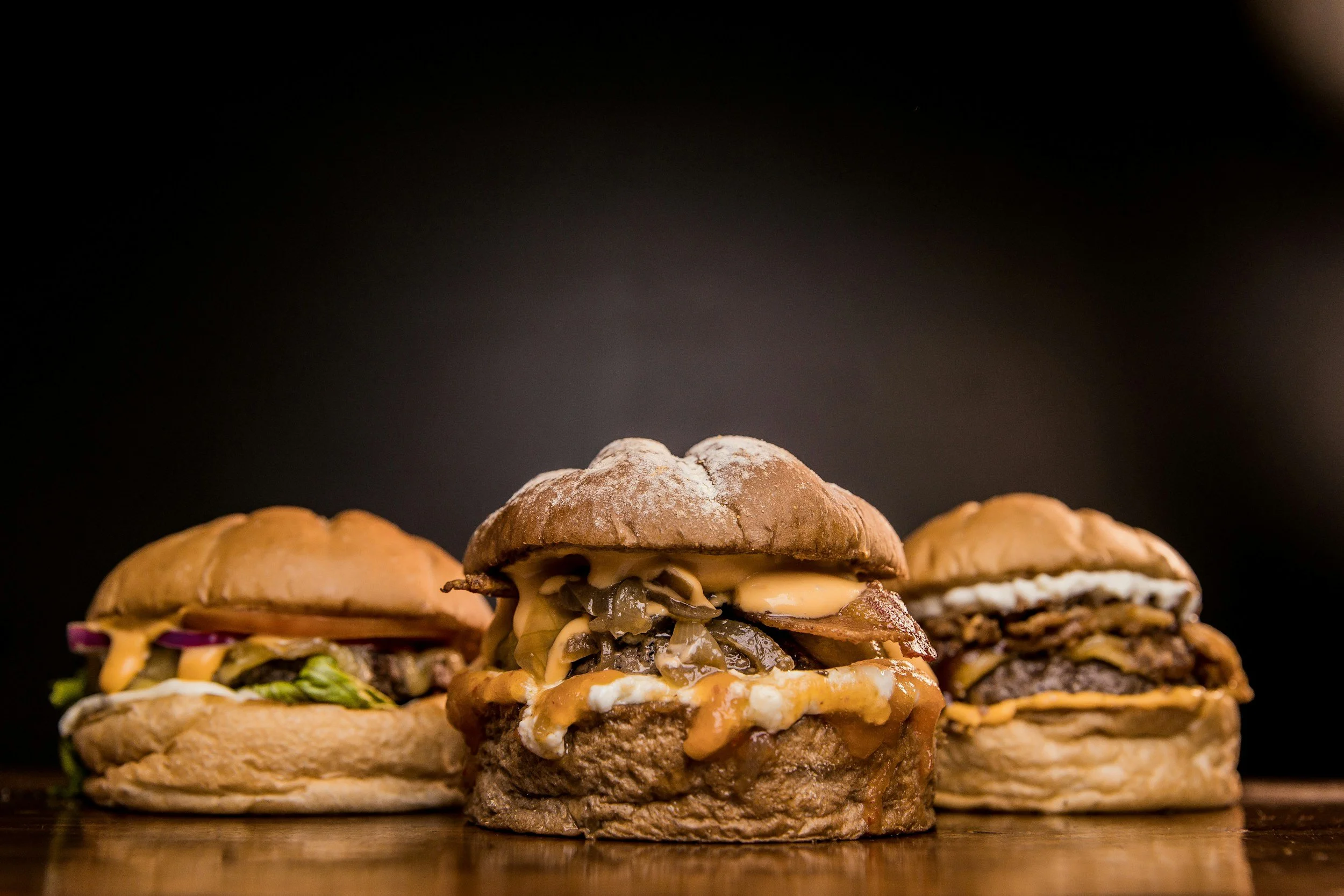
Ultra-processed foods are associated with a wide range of preventable diseases. Obesity is the most prevalent. UPFs should be avoided. They should not constitute a significant part of someone’s diet if they want to live a long and healthy life. They are usually high in sugar and low-quality fats, making them very energy-dense and are also usually stripped of any nutritionally beneficial ingredients or properties. You may as well be eating high-calorie cardboard. On top of this high-calories, the multitude of chemicals and preservatives can clash with the digestive system, causing symptoms of intolerance. If you want to be well, then you should limit your processed food intake.

Cooking
Cooking seems to be a dying skill. Fewer people regularly practice or even possess the tools and knowledge to cook from scratch. Losing the ability to feed yourself puts the control of what goes in your body in the hands of someone else. In my mind, this is not a good thing. Being in charge of what you eat is a fundamental part of being nutritionally well. My advice is to practice cooking and meal prep techniques and become the master of what you consume. Don’t outsource such a foundational element of health and well-being.



Plants
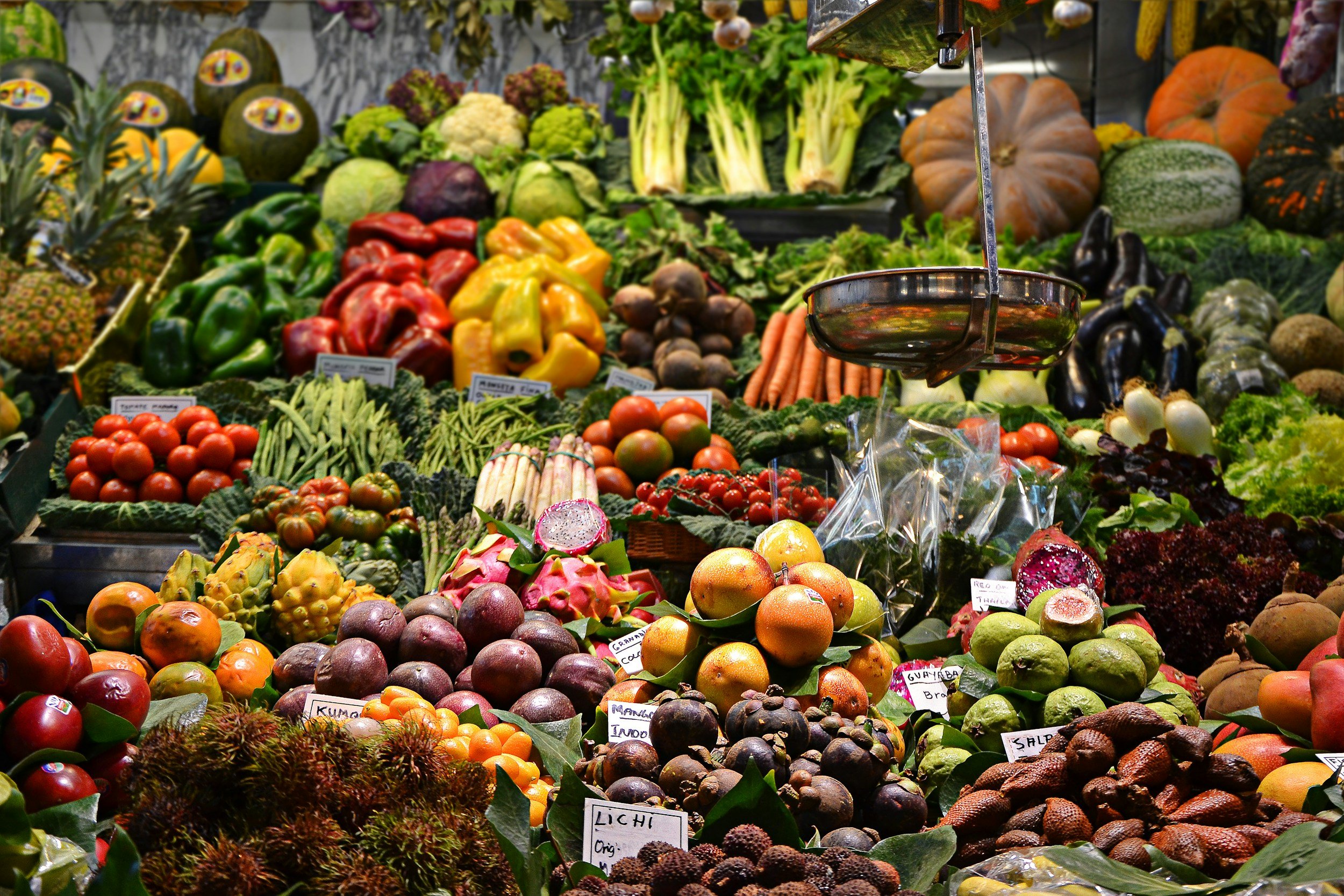
These are essential elements of a healthy diet. Eat as many vegetables as you can. Aim for 30 different plants a week. Consume fresh produce, and your body will thank you for it. Plants contain many of the key micronutrients we need on a daily basis. Recently, new research by the American Gut Project has shown that reaching consumption of 30 different plants every week leads to conditions associated with lower risk of obesity, type 2 diabetes and heart disease, alongside improved immune function and metabolic health.

Weight loss Jabs
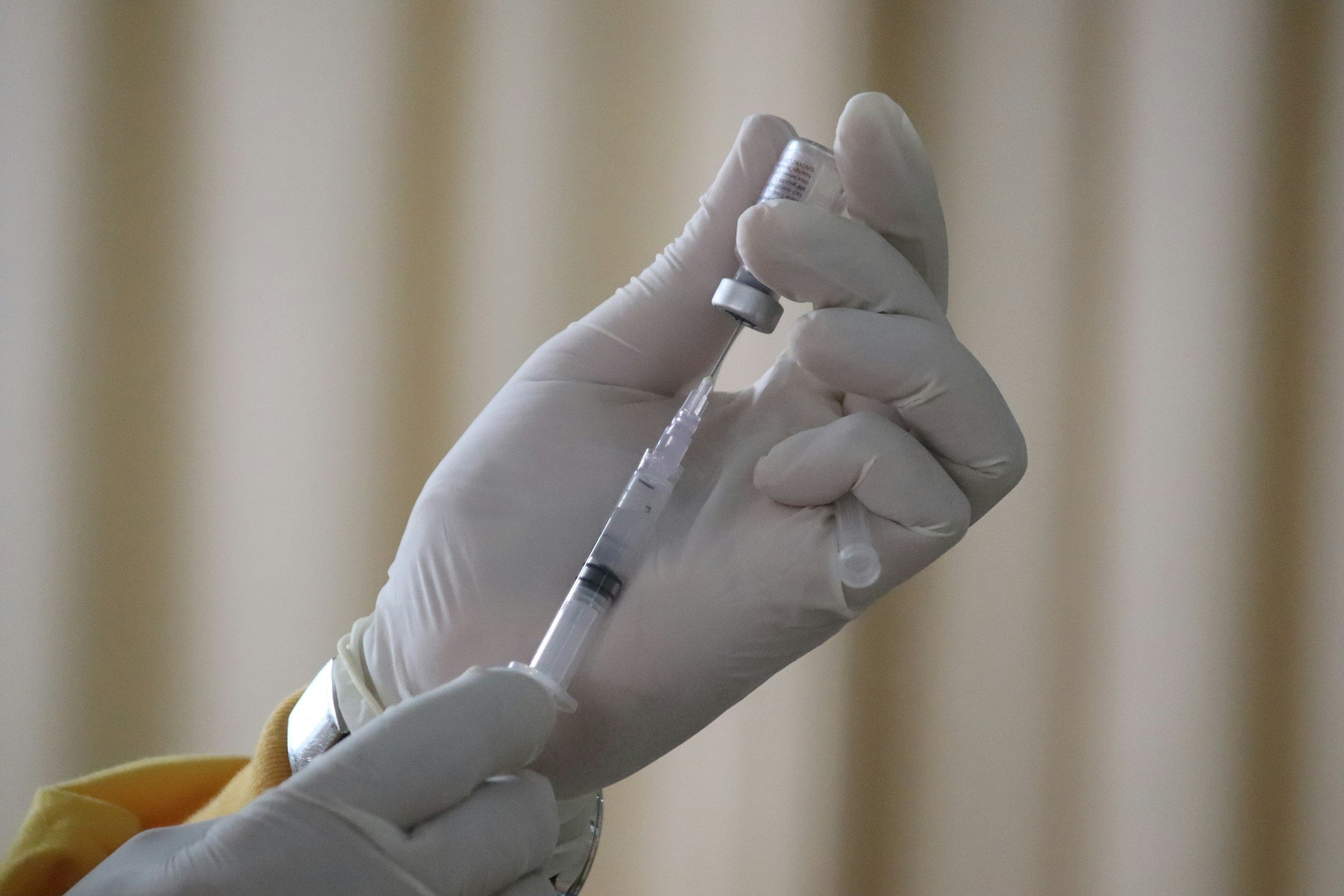
I am strongly against the use of weight loss jabs in general society. I do not believe there is enough data to support their safe usage. I believe that sustained use of these will lead to some form of malnutrition, a weakened immune system, and longer-term health consequences. I do not believe that weight loss seen during the use of the jab is kept off when the treatment ends. I believe that these drugs are an understudied shortcut that should not be used if there are any other means of weight loss available.


Protein
Protein is overly hyped yet remains a fundamentally important part of a healthy diet. We need it for repair, recovery and building across a wide range of systems and processes in the body. We do not need to consume it at such a rate that the general population needs to neck back multiple protein shakes and supplements every day. If you are eating a healthy, balanced diet, additional sources of protein may not be needed. Animal products are the best source of protein.

Sugar
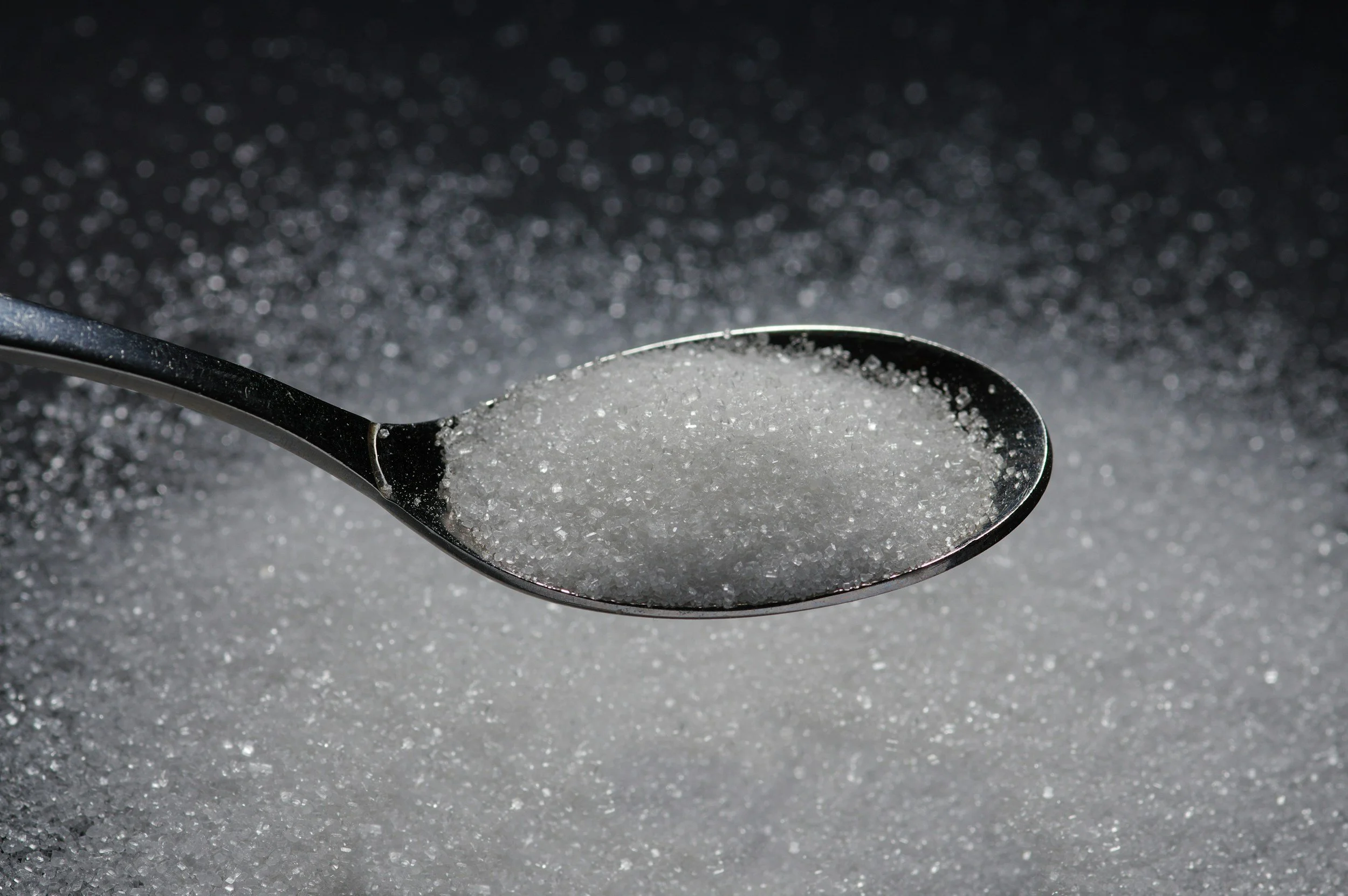
Sugar is a tool. It’s easy to view it as objectively bad. What is more important is understanding what happens to the body when sugar is consumed in various quantities across various periods of time and making informed decisions based on those facts. In light of this, there are several negative health consequences to long-term overconsumption of free sugars, and therefore, I believe that free sugar consumption should be limited.


Alcohol
My main thought on alcohol is to avoid overindulgence. There are very few arguments to support alcohol consumption. It kills the liver, kills the brain, slows recovery and can lead to impairment. The only positive thing I have to say about it is that red wine often has good polyphenol content. But polyphenols can be sourced from other consumables that don’t cause direct harm to your body. I believe that consumption should be limited and undertaken with the knowledge that, essentially, you are consuming poison.

Gut Health
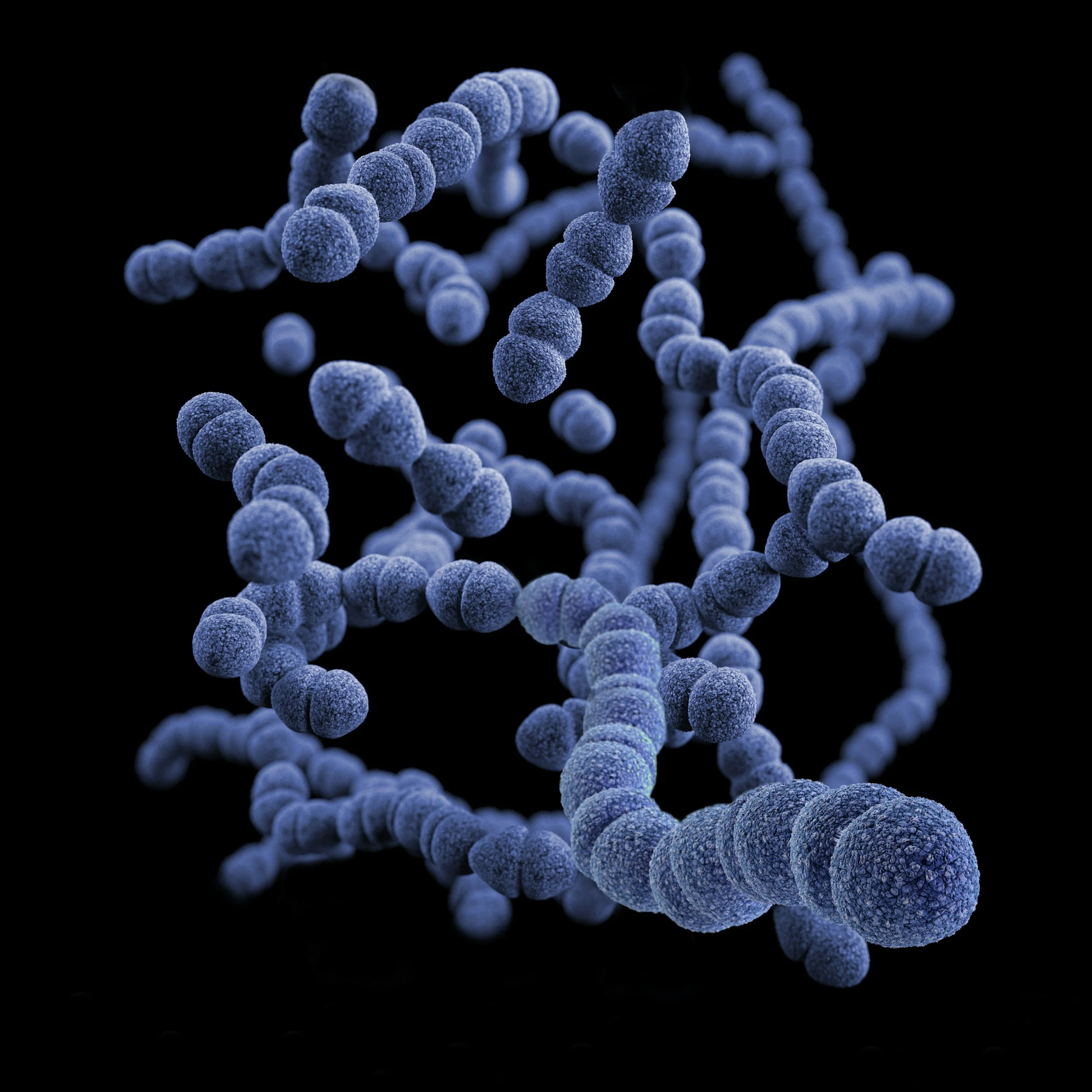
The new science of gut health is very exciting. It could hold some of the answers to long-lost mysteries of health-related ailments. The field of research is not well established, and more needs to be done to cement the promising research already conducted. It’s easy to overemphasise and put too much weight into one area, as we have seen with the protein and supplement industries. I believe that being conscious of looking after gut health and making decisions to improve the make-up of your microbiome is an important part of modern-day health and wellbeing.

Supplements
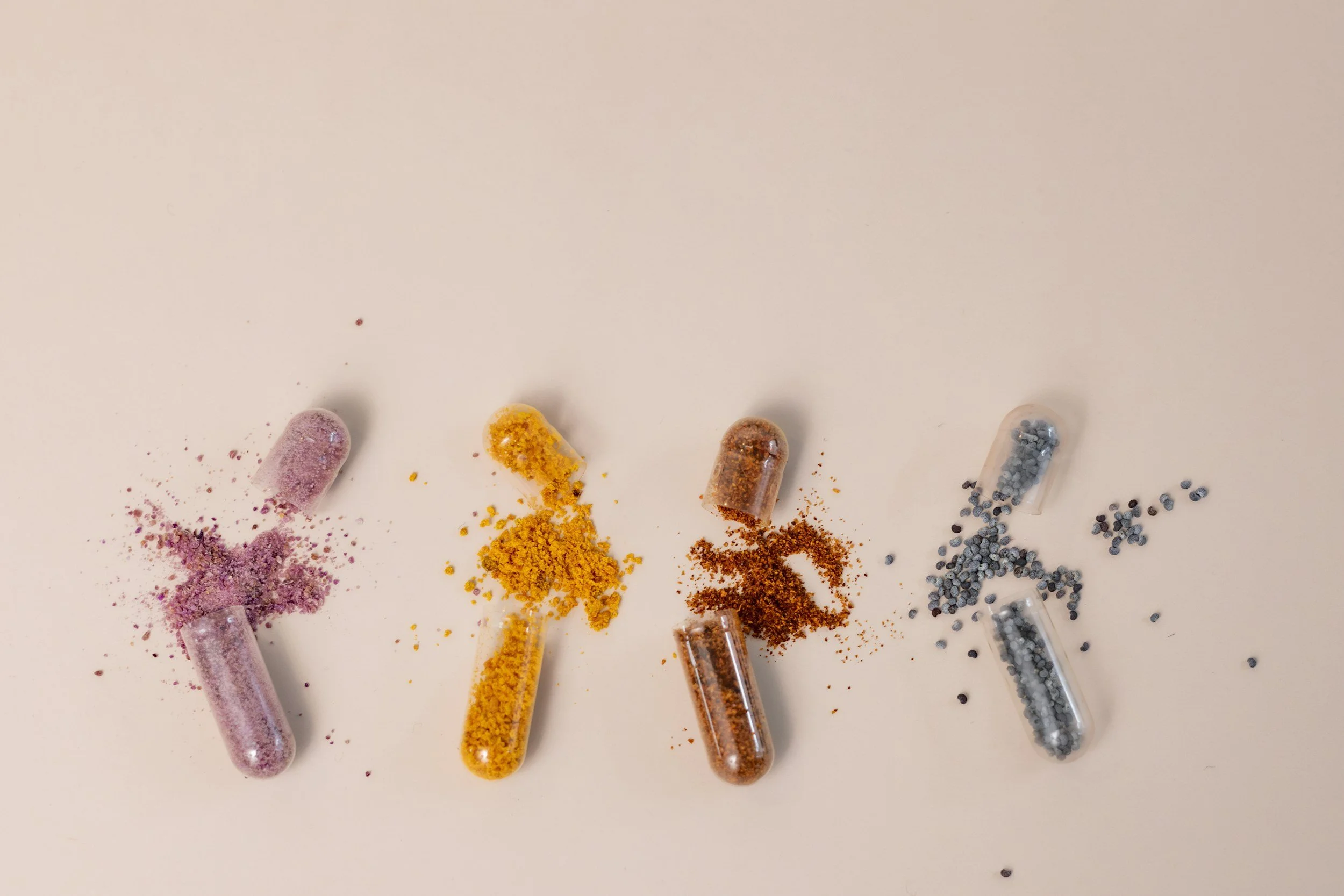
The supplement industry is huge, with some figures suggesting it’s worth close to £150 billion per year globally. My opinion is that most people don’t need to take them. If the average person consumes a healthy, balanced diet, then they would be highly unlikely to be deficient in anything and therefore require supplementation. The supplement industry is born out of society consuming more and more nutritionally dead food, meaning we suddenly need to take supplements. I do, however, believe that people with medical conditions, athletes in some circumstances and pregnant women would benefit from some supplementation under the direction of a dietitian or doctor. To sum up: don’t waste your money on supplements when you can buy whole foods and achieve the same outcome with additional benefits to the body.

Extreme Calorie Deficits
Don’t do it. This is one of the things I highly recommend avoiding. The metabolic damage that could be done here, according to the weight set point theory, is damning. I have many, many negative things to say about the idea of extreme calorie restriction, including the possibilities of nutrient deficiency, the body prioritising survival over health, and muscular decline. If weight loss is the goal, then finding a sustainable method that focuses on long-term change and supports your body’s needs is a much better option.

Caffeine
I view caffeine, like sugar, as a tool. When we consume caffeine, the body responds by using it to block adenosine receptors, which stems the feeling of tiredness. There is some evidence that this also contributes to a slight uptake in muscle fibre recruitment and ability to maintain energy expenditure for slightly longer. I personally drink coffee as my caffeine source. I know that it’s not mixed with a bunch of sugar and chemicals, as most energy drinks are. There are limits for what is considered safe daily consumption, and that is around a 400mg maximum.